
The manga RuriDragon, created by Masaoki Shindō, is officially receiving a television anime adaptation by Kyoto Animation. This announcement immediately stands out due to the studio’s reputation for meticulous animation quality and character-driven storytelling. The pairing signals a high-confidence production rather than a routine adaptation.
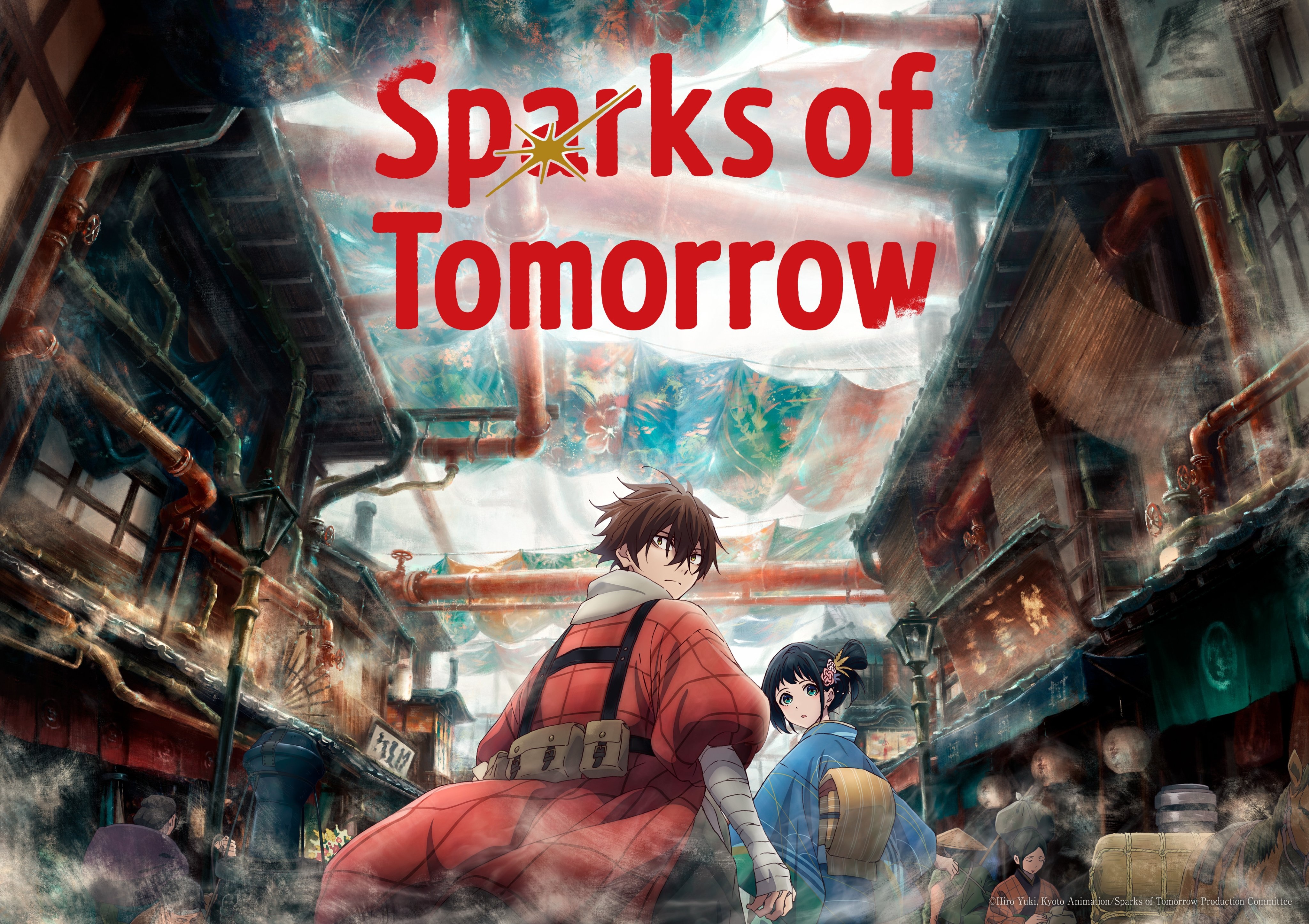
Why Kyoto Animation Changes the Stakes
Kyoto Animation rarely selects external manga properties, which makes this decision significant. The studio is known for prioritizing emotional nuance, consistency, and long-term production stability. Choosing RuriDragon suggests strong internal belief in the manga’s tone and adaptability. This move elevates expectations across both manga and anime audiences.
RuriDragon’s Appeal Fits the Studio’s Strengths
RuriDragon thrives on subtle humor, grounded character moments, and everyday emotional realism. The story avoids excessive spectacle and instead focuses on relatable experiences filtered through a supernatural lens. This narrative style aligns closely with Kyoto Animation’s proven strengths. The adaptation has clear potential to enhance the source material rather than merely replicate it.

From Manga Success to Anime Transition
Since its debut, RuriDragon has gained attention for its clean storytelling and restrained pacing. The manga does not rely on exaggerated tropes or forced drama. Instead, it builds engagement through consistency and tone control. These qualities reduce adaptation risk and support a smoother transition to television format.
Expectations for Visual and Emotional Execution
Viewers can reasonably expect refined animation, expressive character acting, and careful scene composition. Kyoto Animation’s history suggests a strong emphasis on body language, timing, and atmosphere. Rather than overwhelming visuals, the anime will likely focus on emotional clarity. This approach suits RuriDragon’s narrative identity.
Industry Reaction Reflects Measured Optimism
The announcement has generated strong but controlled enthusiasm. Fans praise the studio choice more than the adaptation itself, which speaks volumes. Industry observers note that this collaboration feels intentional rather than commercial. That perception builds credibility before any footage is released.

What This Means for the Manga’s Longevity
An anime adaptation by Kyoto Animation often leads to sustained interest rather than short-term spikes. Merchandising, reprints, and international reach typically follow. For RuriDragon, this adaptation could solidify its position as a long-running, culturally relevant series rather than a fleeting hit.
A Rare but Strategic Collaboration
This project represents a rare alignment between a rising manga and a selective studio. Neither party benefits from rushed production or inflated hype. Instead, the collaboration appears structured for quality and longevity. That restraint strengthens trust among viewers.
Conclusion
Masaoki Shindō’s RuriDragon receiving a TV anime adaptation by Kyoto Animation is a strategically significant development. The studio choice elevates expectations while reinforcing confidence in the source material. This is not a flashy announcement designed to trend briefly. It is a calculated move that prioritizes storytelling, craft, and long-term value. If execution matches intent, this adaptation could become a benchmark example of how manga-to-anime transitions should be handled.


