
The Question That Changed How Fans View Luffy
For years, becoming Pirate King defined Monkey D. Luffy’s ambition. However, recent revelations reframed that belief entirely. Luffy’s true dream exists beyond titles, power, or conquest. This hidden goal shocked characters and unsettled readers instantly. The reaction alone suggests something far more radical than ruling the seas. What terrifies people is not violence or domination, but the scale of change his dream implies.

Why Pirate King Was Never the Final Goal
In One Piece, the Pirate King is not a ruler. The title represents freedom and access to the world’s truth. Luffy always treated it as a means, not an endpoint. He never spoke about governing or commanding others. Instead, he chased laughter, adventure, and shared experiences. That behavior always contradicted traditional ambition. Therefore, the reveal of a deeper dream feels consistent rather than shocking.
The Moment Luffy Revealed His True Dream
Luffy’s true dream surfaced quietly yet powerfully. When he shared it with his crew, disbelief followed immediately. Some laughed, others froze in silence. This response mirrored Roger’s crew long ago. The parallel strongly implies a world-altering ambition. If seasoned pirates found it absurd, then the idea clearly breaks conventional logic. Terror emerges from unpredictability, not cruelty.
Why the Dream Remains Unspoken
The story deliberately withholds the dream’s exact wording. This choice protects narrative impact. However, it also fuels interpretation and unease. A dream left unsaid becomes larger than explanation. Readers sense its implications through reactions alone. Silence becomes a storytelling weapon. The absence creates tension more effectively than exposition.
Freedom Taken to Its Absolute Extreme
Luffy defines freedom differently than anyone else. He does not seek personal liberty alone. His actions consistently free others. Therefore, his dream likely scales freedom globally. That possibility threatens existing power structures. Governments fear ideas more than weapons. If freedom spreads uncontrollably, authority collapses. That concept terrifies rulers far more than a Pirate King ever could.
Why the World Government Would Fear This Dream
The World Government tolerates pirates but controls history. Luffy’s dream likely challenges imposed order directly. Exposing truth already destabilizes their rule. However, changing how people live is worse. A liberated population rejects manipulation permanently. That outcome dismantles control without a single battle. From their perspective, that is catastrophic.
Roger’s Legacy Connects Directly to This Dream
Gol D. Roger reached Laugh Tale and learned everything. Yet he laughed instead of acting. His era was not ready. Luffy represents timing rather than strength. Roger’s dream failed due to circumstance. Luffy’s dream advances because the world has changed. This distinction matters deeply. Timing makes ideals dangerous.
Why Luffy Is the Only One Who Can Do It
Luffy lacks desire for domination or recognition. That absence makes him uniquely qualified. Power corrupts intention, yet Luffy rejects power for its own sake. He inspires loyalty without demanding it. People follow him willingly. That organic influence spreads faster than authority. Ironically, his simplicity makes his dream unstoppable.
The Crew’s Reaction Reveals the Dream’s Weight
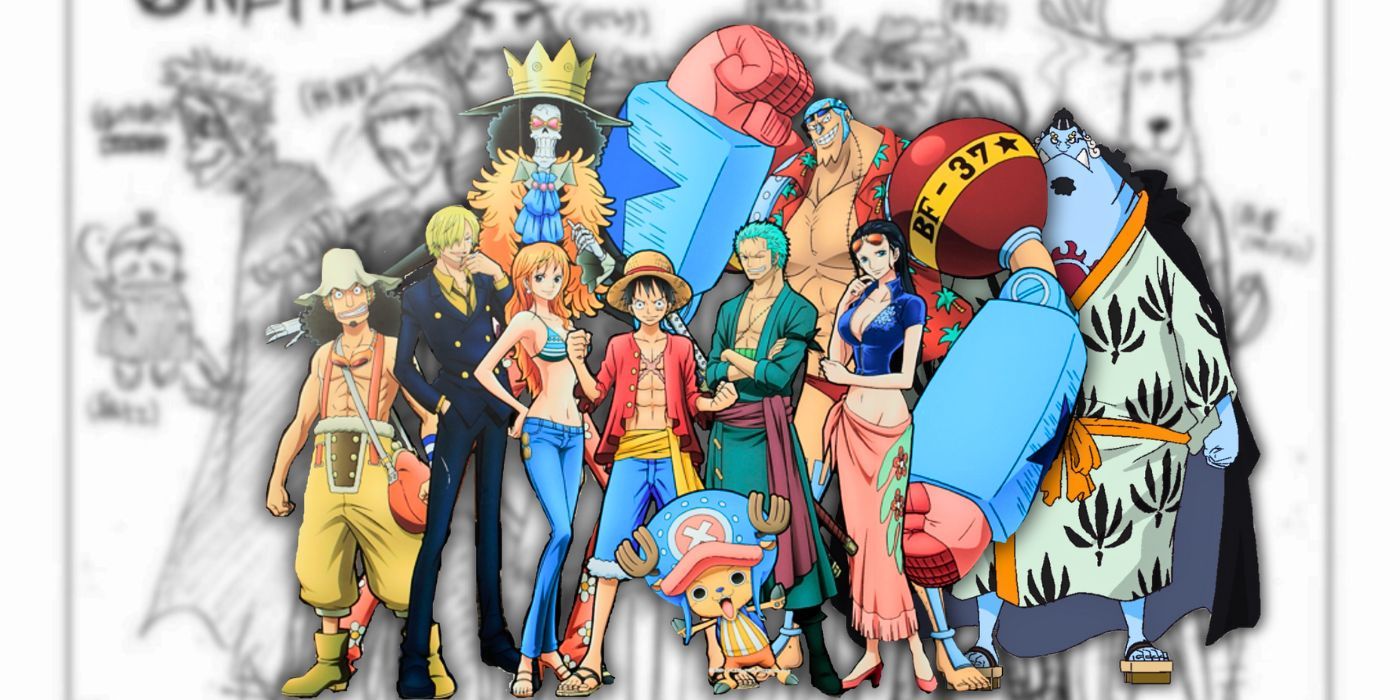
The Straw Hats know Luffy better than anyone. Their mixed reactions signal seriousness beneath absurdity. They did not dismiss him outright. Instead, they accepted the dream after reflection. That acceptance confirms its emotional sincerity. Terror arises because sincerity cannot be negotiated. Luffy will never compromise on his dream.
Why the Dream Is Scarier Than Becoming Pirate King
Pirate Kings can be killed, replaced, or forgotten. Ideas cannot. Luffy’s dream appears to reshape how people think and live. Once achieved, reversal becomes impossible. That permanence frightens those in control. A throne can fall, but a liberated mindset endures. This distinction defines true terror.
How This Dream Changes the Endgame of One Piece
The final conflict will not center on treasure alone. Ideology will drive the climax. Battles will represent clashing worldviews. Luffy will not fight for dominance. He will fight for possibility. That shift elevates the narrative beyond adventure. It becomes philosophical and irreversible.
Why Fans Are Divided by This Revelation
Some fans expected a simple dream. Others welcomed complexity. The division reflects comfort levels with change. A conventional ending feels safe. A transformative ending feels risky. However, One Piece never prioritized safety. It consistently challenged norms and authority. This dream aligns perfectly with that legacy.
What the Dream Likely Represents
While unconfirmed, the dream likely involves universal freedom or shared joy. It may involve a world without oppression, borders, or lies. Such an outcome erases current power hierarchies. That scale exceeds piracy entirely. No crown compares to rewriting reality.
Conclusion: Terror Born From Hope
Luffy’s true dream is terrifying because it is hopeful. It threatens systems built on fear, control, and limitation. Becoming Pirate King would shake the seas. Achieving his real dream would change the world forever. That difference explains every shocked reaction. In the end, the most dangerous dreams are not violent ones. They are the dreams that make oppression obsolete.


