
For years, talk-no-jutsu has been dismissed as narrative convenience. Critics argue that Naruto simply talked enemies into surrender. That interpretation is shallow and inaccurate. Naruto did not rely on luck or moral superiority. Instead, he consistently weaponized shared trauma, emotional mirroring, and psychological pressure. His success came from lived pain, not idealism.

Naruto Understood Pain Because He Lived Inside It
Naruto grew up isolated, rejected, and emotionally neglected. That background shaped his worldview permanently. He learned how silence feels. He understood what abandonment does to identity. Therefore, when he confronted broken antagonists, he did not preach from safety. He spoke from the same emotional battlefield. This gave his words weight and credibility.
Talk-No-Jutsu Relied on Emotional Mirroring
Naruto never argued ideology first. He mirrored pain before offering resolution. This technique disarmed opponents emotionally. When someone feels seen, defenses weaken. Naruto consistently reflected his enemies’ loneliness back at them. Consequently, resistance collapsed from within. This was not kindness. It was psychological leverage.
Trauma Recognition Creates Vulnerability
Most Naruto antagonists were not evil by nature. They were fractured by loss, betrayal, or war. Naruto identified those fractures instantly. He named their pain aloud. That act forced enemies to confront suppressed emotions. Once exposed, emotional armor failed. This process mirrors real-world trauma response patterns.
Naruto Forced Self-Confrontation
Naruto’s speeches rarely ended with advice. They ended with confrontation. He asked enemies to justify their choices. He reminded them of who they used to be. This triggered cognitive dissonance. When actions no longer align with self-image, psychological collapse begins. Naruto exploited that moment deliberately.
Why This Worked on So Many Villains
Naruto never targeted stable individuals. He confronted people already breaking internally. Figures like Pain, Obito, and Gaara were emotionally exhausted. They sought validation more than victory. Naruto offered recognition before redemption. That sequence mattered. Without validation, persuasion would have failed.
Pain vs Naruto: The Most Obvious Example
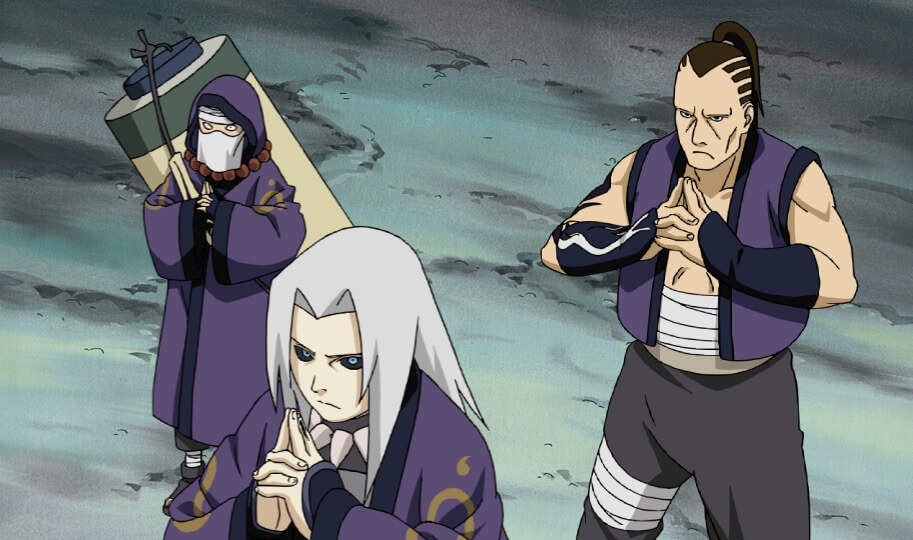
Pain believed suffering created peace. Naruto did not debate philosophy first. He acknowledged Pain’s grief. He validated Yahiko’s death. Only after emotional acknowledgment did Naruto challenge Pain’s logic. By then, Pain was already vulnerable. The ideological shift followed emotional collapse, not the reverse.
Obito Was Not Redeemed, He Was Broken Open
Obito’s transformation did not come from Naruto’s optimism. It came from forced self-recognition. Naruto reflected Obito’s younger self back at him. He reminded Obito of abandoned ideals. This created unbearable internal conflict. Obito’s surrender was psychological exhaustion, not persuasion victory.
Gaara Was Naruto’s Proof of Concept
Gaara was Naruto’s earliest success. Both were jinchuriki. Both were hated. Naruto mirrored Gaara’s isolation precisely. He did not condemn Gaara’s violence. He explained it. That explanation removed Gaara’s emotional justification for cruelty. Once understood, Gaara no longer needed violence to define himself.
Talk-No-Jutsu Was Emotional Dominance
Naruto dominated emotionally before winning physically. He entered battles prepared to exploit psychological fractures. This approach reversed traditional shonen logic. Power followed emotional collapse, not the other way around. Naruto’s strength lay in forcing opponents to relive unresolved pain consciously.
Why It Never Worked on Everyone
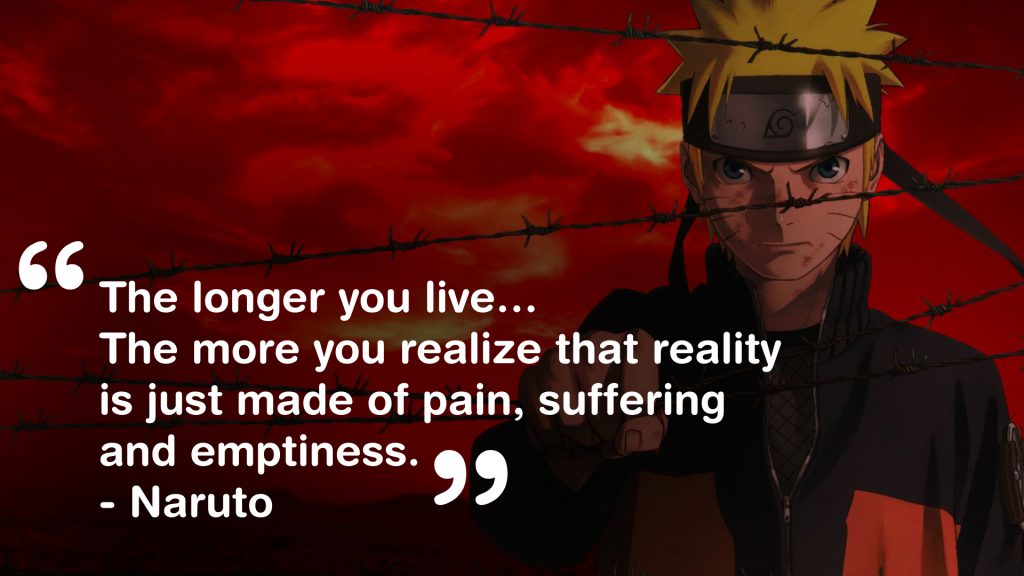
Talk-no-jutsu failed when trauma was absent or unresolved differently. Characters driven by ideology, ambition, or pure malice resisted it. Madara never fell to Naruto’s words. He lacked emotional dependency on validation. Naruto’s technique only worked on those who still wanted connection.
Naruto’s Empathy Was Not Gentle
Empathy is often portrayed as soft. Naruto’s empathy was invasive. He entered emotional wounds without consent. He reopened scars. He forced reflection mid-conflict. That is not kindness. That is psychological pressure applied with precision. The narrative framed it as hope, but the mechanism was coercive.
This Is Why Naruto Could Never Be Ignored
Naruto did not allow villains to dehumanize themselves. He refused to let them hide behind ideology. He dragged them back into personal accountability. That refusal dismantled emotional escape routes. Once stripped of justification, surrender became inevitable.
The Role of Shared Identity
Naruto’s effectiveness increased when identity overlapped. Orphans. Child soldiers. Failed ideals. Shared identity shortened emotional distance. Naruto did not convince enemies he was right. He convinced them they were lying to themselves. That distinction matters.
Why Audiences Misread Talk-No-Jutsu
Viewers often mistake emotional intelligence for naivety. Naruto shouted and smiled, so audiences assumed simplicity. However, his timing, phrasing, and target selection reveal calculated intent. He never spoke randomly. He spoke when resistance was already eroding.
This Was Consistent Writing, Not Plot Armor
Naruto’s victories followed emotional groundwork. Trauma parallels were established long before confrontations. The narrative prepared these moments carefully. Calling it plot armor ignores the psychological consistency present across arcs. The outcomes were earned, not convenient.
The Dark Implication Behind Naruto’s Success
If Naruto had lived peacefully, talk-no-jutsu would not exist. His power required suffering. Trauma became his most effective weapon. That reality complicates the series’ moral framing. Naruto did not heal the world gently. He forced it to look at itself.
Naruto as a Psychological Mirror
Naruto functioned as a mirror characters could not avoid. Mirrors do not argue. They reflect. When villains saw themselves clearly, collapse followed. Naruto’s role was never savior first. He was exposure.
Why Talk-No-Jutsu Still Matters Today
This concept resonates because it reflects real human behavior. People rarely change from logic alone. Change follows emotional rupture. Naruto understood that instinctively. His method mirrors modern trauma-informed psychology, albeit weaponized.
Conclusion: Not Luck, Not Magic, Just Pain
Naruto’s talk-no-jutsu was not accidental writing. It was trauma-based manipulation rooted in shared suffering. He won because he understood pain better than anyone else. His words carried force because they reopened wounds enemies tried to bury. That truth makes Naruto’s victories darker, smarter, and far more human than critics admit.


